
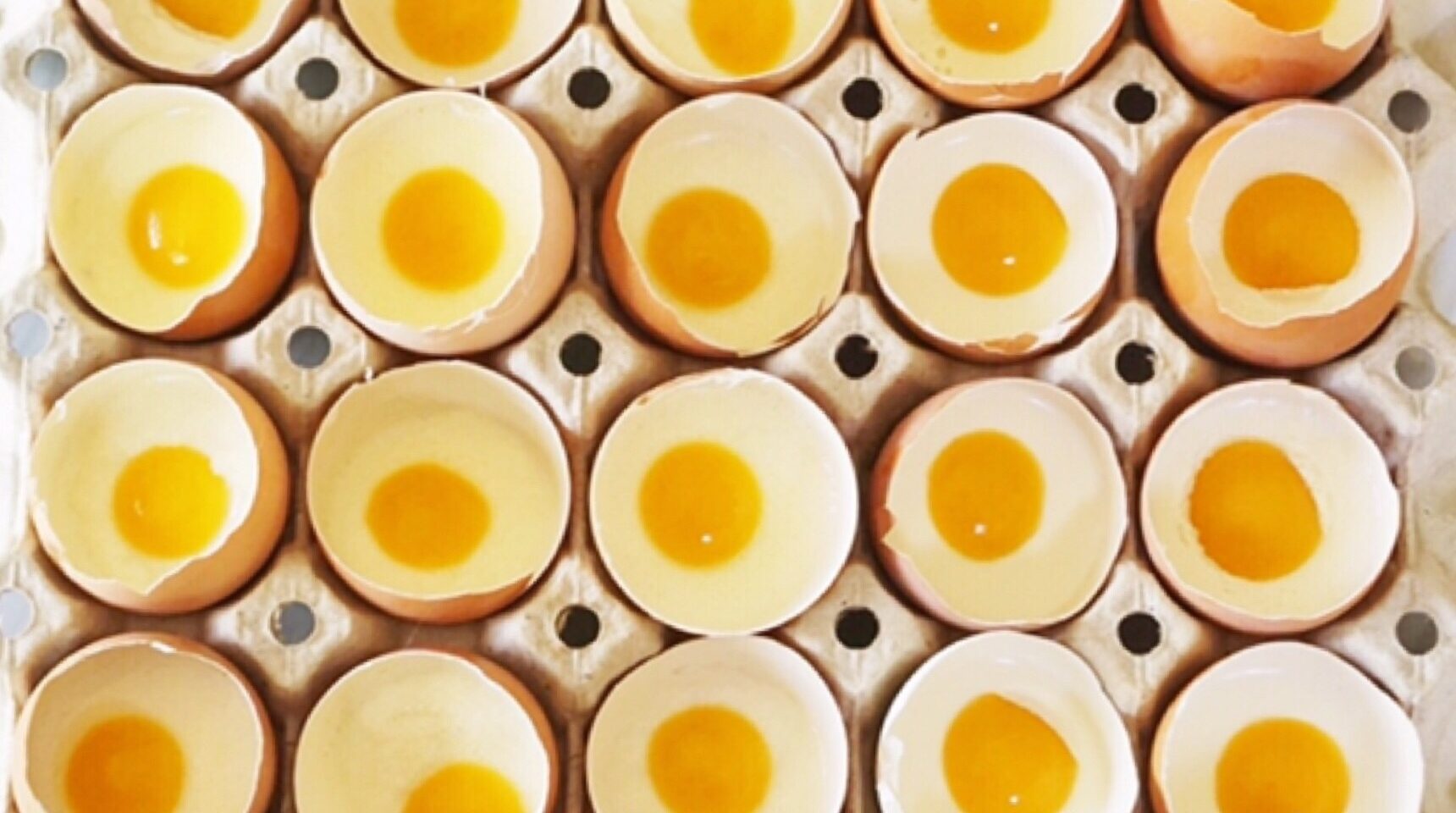
Foreign Eggs
You’d think the simple task of buying eggs would be the same the world over, right? Well, no. I had some funny experiences when I first moved to the Philippines relating to eggs.
Back home, eggs are always sold by the dozen, though you can sometimes get a half-dozen pack. They are sold in twelves, not relating to any imperial measurement or time factor, but because chickens lay eggs by the dozen.
A chook typically lays an egg per day until they have a clutch, which is usually 12. If you remove 2 eggs from the clutch she will lay two more. If you remove 4, she’ll lay 4 more. She will always top up her clutch in order to reach 12.
So on arriving in the Philippines and shopping at a market one day, I was surprised and delighted to learn I could buy any number of eggs I wanted. So ingrained was the concept of 12, I found it fascinating. Liberating! I bought 3 eggs one time, and another time, 11! Just because I could.
They also packaged them perilously. They opened a plastic bag, carefully placed the eggs in the bag, one on top of the other, looped a knot at the top and handed it over. I put the eggs in my market basket and nervously navigated the crowds to get them home as quickly as possible. I didn’t buy 11 again, or 12. I would risk a couple from the market but a large order I preferred from the supermarket in their safe little cardboard capsules.
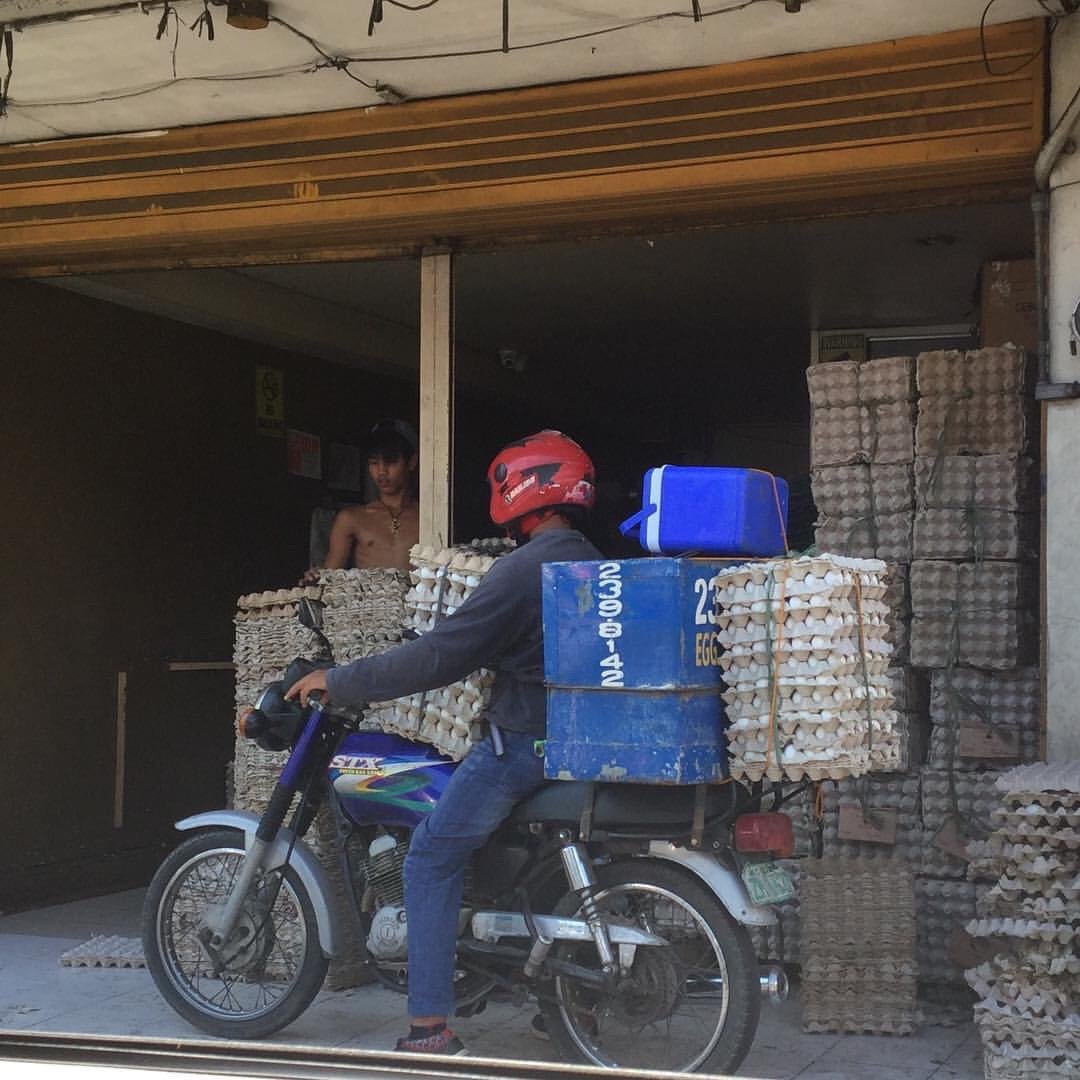
When I moved to Cebu, there are eggs in cartons in the supermarket in packs of 6, 10 and 12, but the freshest eggs, from markets or farm-to-home suppliers, come in large trays of 30. They are often transported, 10 or 20 trays of 30 eggs, stacked high, on the back of a motorbike. It makes me think of scrambled eggs every time I see motorcycle egg deliveries zinging around the city.
One time, a friend and I, both new to the Philippines, wandered through the lovely outdoor market in Salcedo Village in Manila on a Saturday morning. There was a poultry supplier, with mysterious bundles of flesh and perfectly round orange balls inside. What could those balls could be? They looked soft and springy, they were bright in color, and they were not egg shaped. Giggling, and speculating on what they could be, and why they were in the bag, a fellow shopper eventually set us straight. She leaned towards us and said “They are eggs”. “Eggs?” we asked. We could not reconcile the shape, size or color. “They are the eggs the chicken would have laid, if the chicken wasn’t dead”, she said. Oh. Unlaid, partially formed eggs. I never went back to that supplier, though I’ve subsequently read they are common ingredients in many cuisines, and apparently delicious.

And in all my years living in the Philippines, there is one type of egg I have managed to avoid. Called “Balut”, it is a boiled, fertilized duck egg. Eating it straight from the shell reveals a partially formed embryo (with crunchy bits) sitting in a chicken-soup like surround. Locals take great delight in foisting them upon foreigners. I’m an adventurous diner, but this is not for me. I’m sparing you any images.